Beach town or Central Valley? An honest comparison of climate, cost, healthcare, getting around and lifestyle, and what each means for buying a home.
Most people picture Costa Rica as a beach. Many of the people who actually live here, including a large share of Costa Ricans and long-term expats, live in the Central Valley around San José. Both are good places to live, and they are very different ones.
This guide compares them honestly: climate, cost, healthcare, getting around, lifestyle and what each means for a property purchase. Costs and conditions change and vary by town, so use it to decide what matters to you, then check the specifics for the places you shortlist.
The short answer. Choose the beach if lifestyle and rental income matter most and you are comfortable with heat, humidity and longer trips to hospitals and airports. Choose the city and Central Valley if you want a mild climate, healthcare and services close by and a year-round community. Many buyers end up splitting their time, or moving inland after a few years.
At a glance
| Factor | Beach town | City / Central Valley |
|---|---|---|
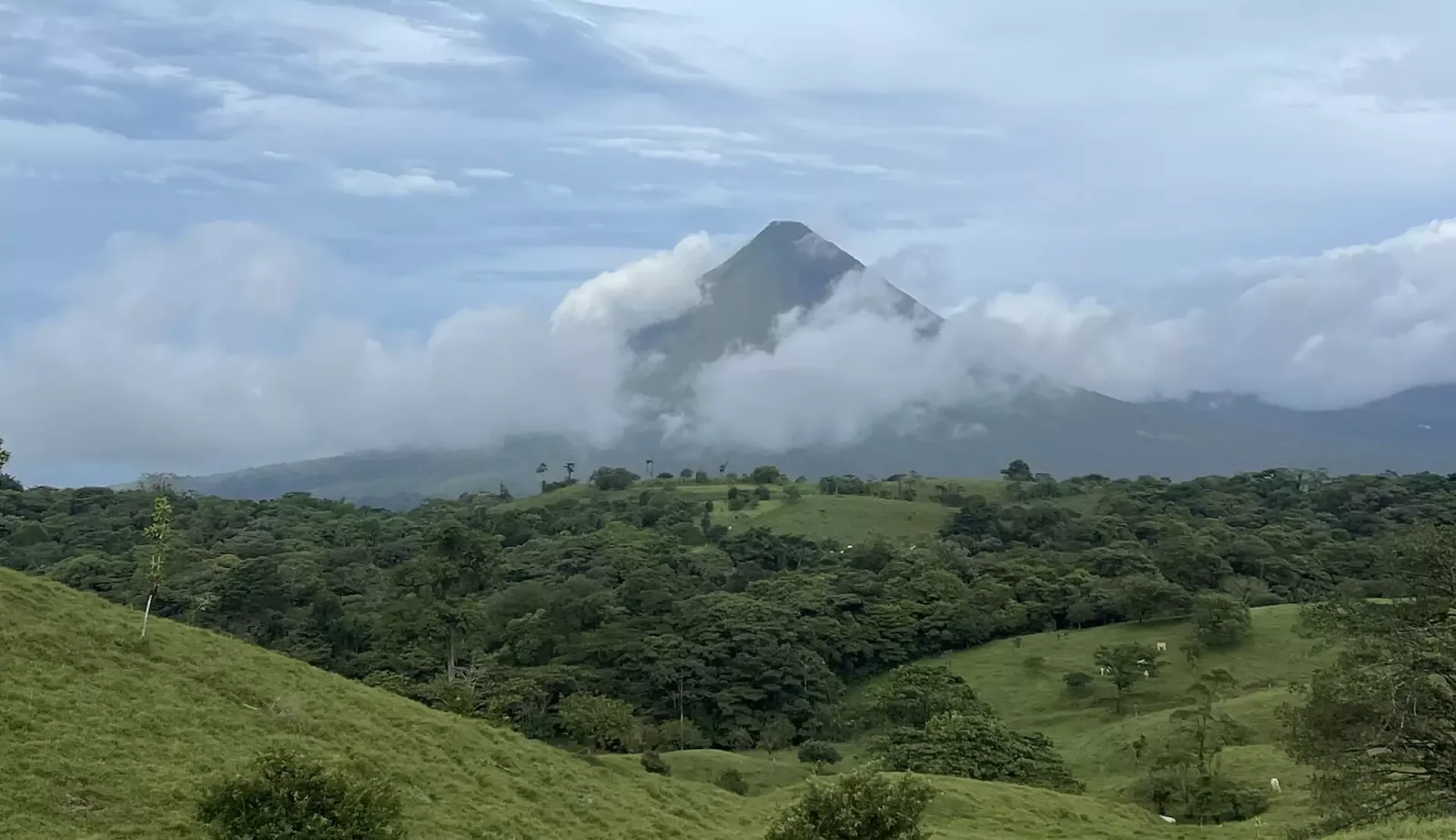
| Climate | Hot, humid on most of the coast. Guanacaste is drier but hotter, with dry-season daytime highs commonly in the low-to-mid 30s °C (90s °F). | Mild year-round, roughly 22–24°C (low-to-mid 70s °F), often described as perpetual spring. |
| Cost of living | Usually higher overall for the same standard of living, as imported goods and services cost more and demand is tourism-driven. | Varies widely. Escazú and Santa Ana are among the priciest areas; towns further west or north of the valley are cheaper. |
| Healthcare | Clinics and pharmacies in larger towns; major hospitals are further away. | The country’s main public and private hospitals and specialists are in and around San José. |
| Getting around | A car is normally essential outside a few walkable town centres. Guanacaste has an international airport nearby. | Public transport exists, but a car is still common. Traffic and rush hour are real, especially on Route 27 and around Escazú and the capital. |
| Lifestyle | Surf, beaches, outdoor living, restaurants and nightlife in the busier towns. Quieter in the green season. | Shopping, dining, culture, universities and business on your doorstep. Less beach, but day trips are possible. |
| Community | A mix of full-time residents, seasonal owners and visitors. Can feel quiet out of season. | A year-round, settled community of locals and expats. |
| Property use | Strong for vacation rentals and second homes; results vary a great deal by property and manager. | Suited to primary residences and long-term rentals. |
Living at the beach
The advantages
- The lifestyle is the point. Surfing, swimming, sunsets and an outdoor routine all year.
- Rental potential. Tourist demand supports vacation rentals in the established towns. Read what owners really pay before counting on it: our rental-costs guide shows the arithmetic.
- Good infrastructure in Guanacaste. An international airport, private healthcare in Liberia and international schools make the Gold Coast easier than most coastlines. See our Guanacaste buyer’s guide.
The trade-offs
- Heat and humidity. Many beach residents love it; some find it wearing, especially in the humid green season.
- Distance from services. Hospitals, specialists and major shopping can be an hour or more away.
- Higher running costs. Air conditioning, pool and garden upkeep, salt-air wear and insurance add up.
- Beachfront legal risk. Land in the 200-metre maritime zone is held by concession, not title. Read our oceanfront concession guide before you buy.
- Seasonality. Some towns are lively in the dry season and quiet in the green season.
Living in the city and Central Valley
The advantages
- A comfortable climate. Cooler, with less humidity, so many homes need no air conditioning.
- Healthcare and services close by. Hospitals, specialists, international schools, shopping and the main airport are within reach. Residents can also join the public health system, the CCSS (“la Caja”), with contributions based on declared income.
- A year-round community. Neighbourhoods are lived in all year, not just in season.
- Easier long-term living. For many retirees and families, daily life is simpler.
The trade-offs
- Traffic. Congestion is a real cost of time, especially on Route 27 and around Escazú and the capital at rush hour.
- Less beach. The coast is a drive away; the Central Pacific is the nearest.
- Prices in the best areas. Escazú and Santa Ana are at the top of the valley price range.
- Urban noise and security. As in any city, good homes usually sit in gated communities or secured buildings.
Cost: what to expect
Published estimates of monthly budgets vary a lot, and sources contradict one another, so we have not put a single number on it. The pattern is consistent, though: the coast tends to cost more to live well, especially once you add air conditioning, a car and imported goods, while Central Valley costs depend heavily on the town. Whichever you choose, a car is a major cost outside central San José, and imported goods and vehicles are expensive anywhere in Costa Rica.
If you plan to buy with a mortgage, see our guide to bank financing.
Which is right for you?
- The beach suits you if you want the coastal lifestyle every day, you plan to rent the home out part of the year, or you will mostly use it as a second home.
- The city suits you if you want a mild climate, healthcare and services close by, and a settled, year-round community.
- A bit of both. A home in the Central Valley with regular beach trips, or a beach home and a rental, is common. The Central Pacific coast reached by Route 27 is a popular compromise.
Frequently asked questions
Is it cheaper to live at the beach or in the city?
How different is the weather?
Is healthcare really better in the city?
Do I need a car?
Can I have both?
Beach homes
A selection of current listings around Tamarindo and the Guanacaste coast:
 Hotel
For sale
For Sale in Guanacaste – Near Playa Blanca, Junquillal & Callejones SOLD
- Ocean view
- Views
- Garden
- Air conditioning
- Terrace
 Beach apartments
For sale
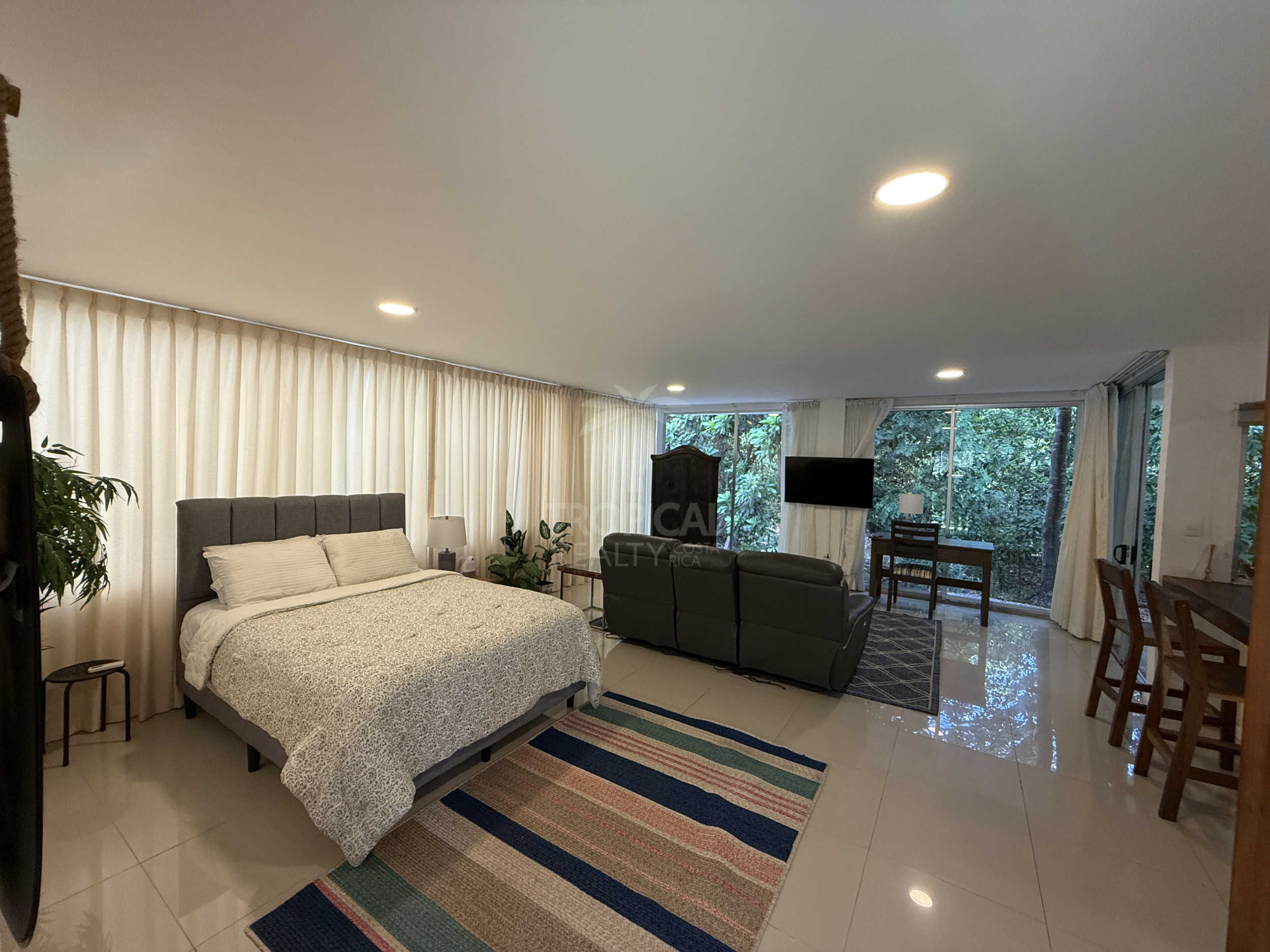
Studio Near the Sea in Playa Potrero – rental with Utilities Included
- Ocean view
- Pool
- Views
- Furnished
- Gated / security
 Beach apartments
To lease
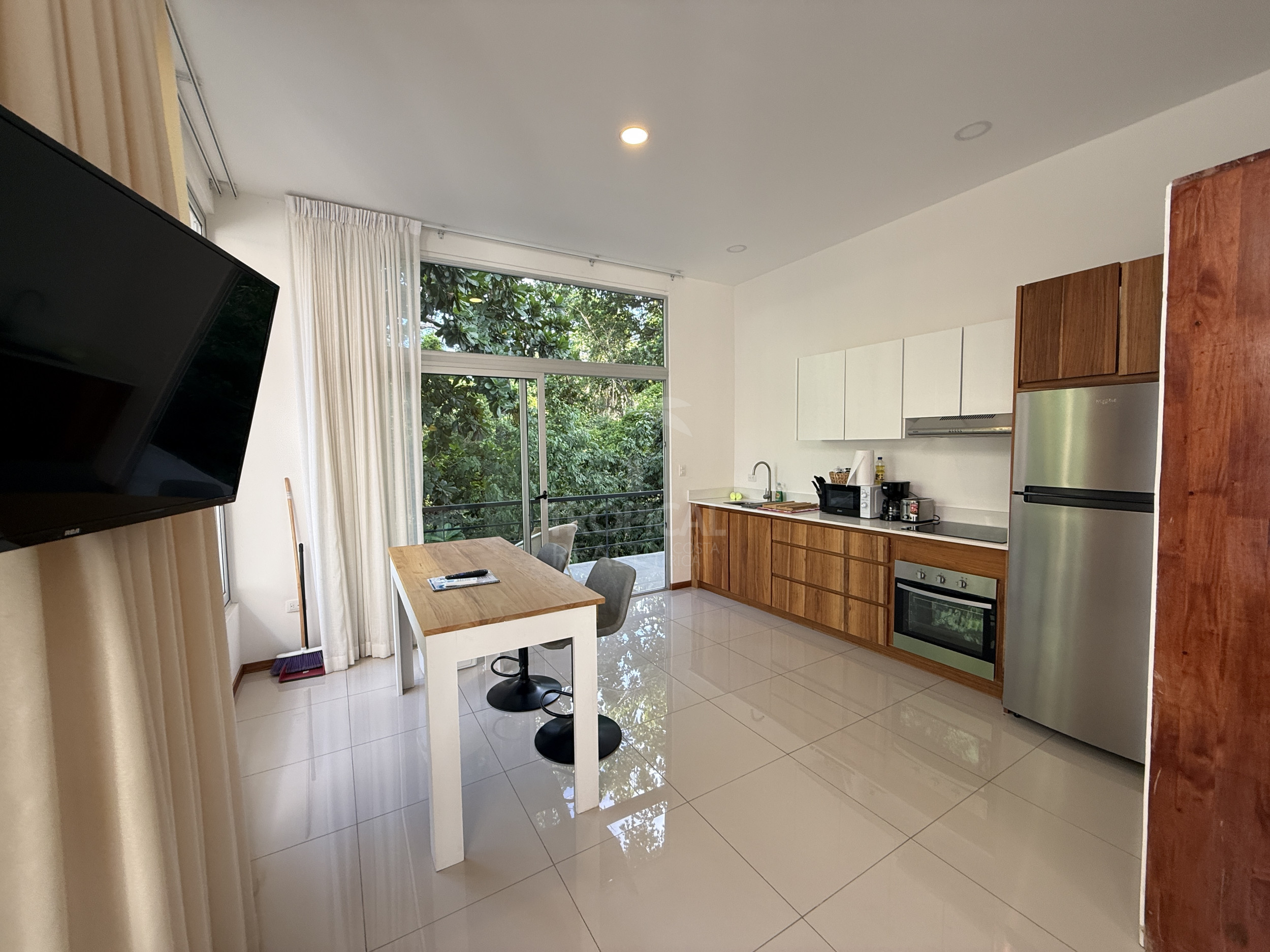
Long-Term Rental: Furnished 1-Bedroom Apartment in Surfside, Playa Potrero
- Ocean view
- Pool
- Views
- Furnished
- Gated / security
City and valley homes
A selection of current listings in Escazú:
 Apartment
To lease
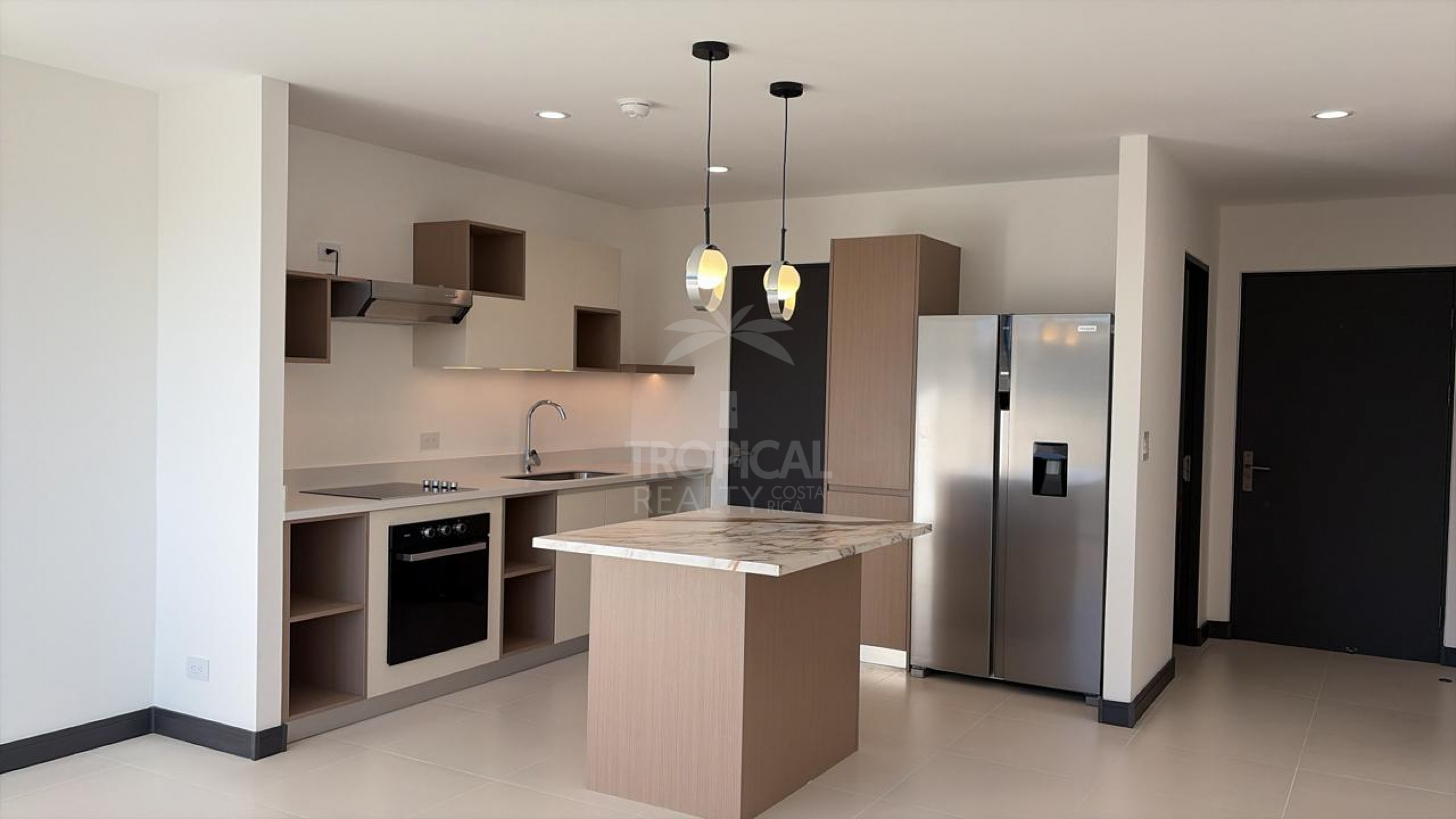
Brand-New Apartment for Rent at Bosques del Café – Modern Living in Escazú
- Views
- Gated / security
- Air conditioning
- Terrace
- Office space
 Office space
To lease
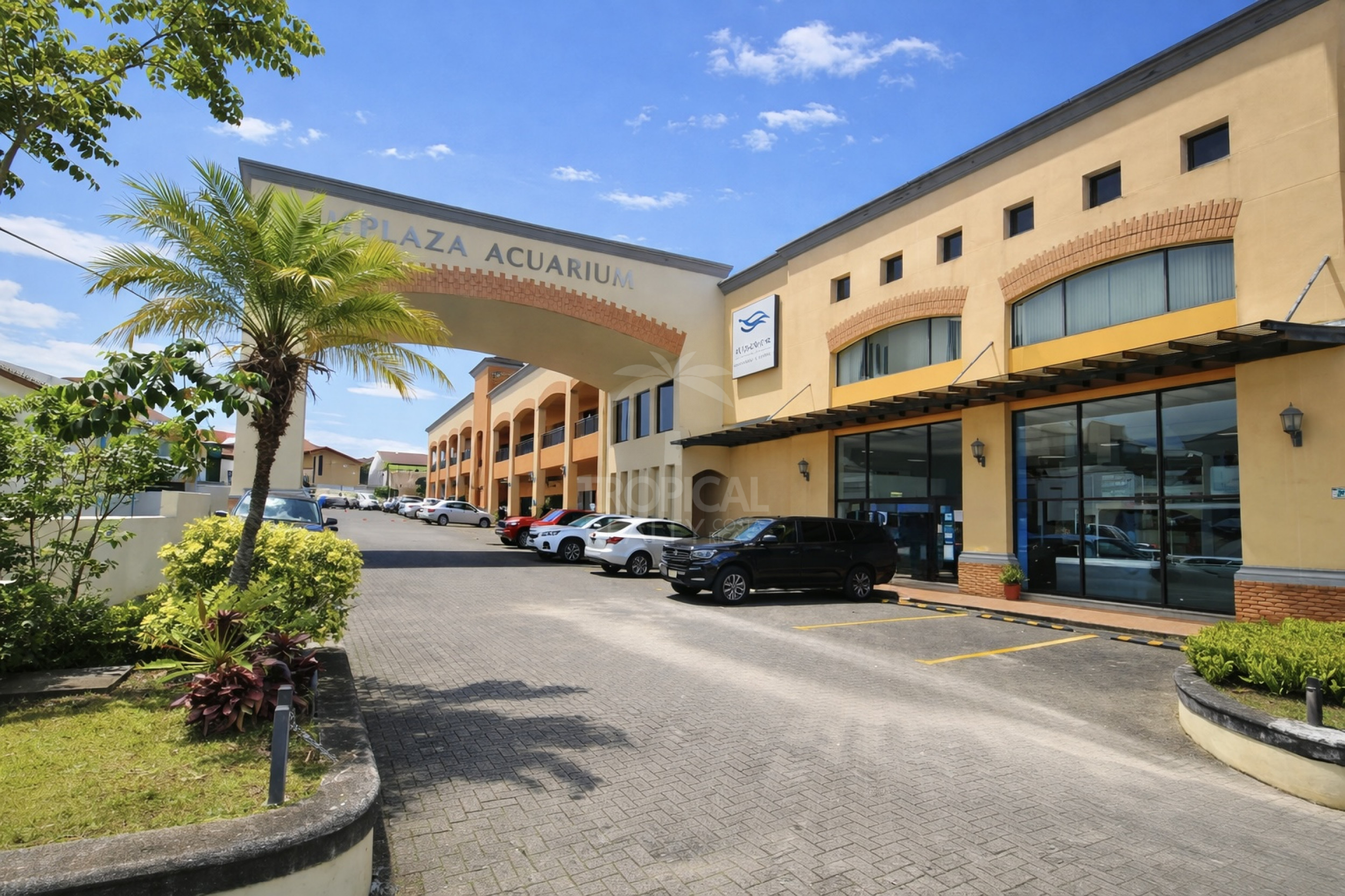
Commercial Space for Rent – Plaza Acuarium, Guachipelín, Escazú RENTED
 Apartment
To lease
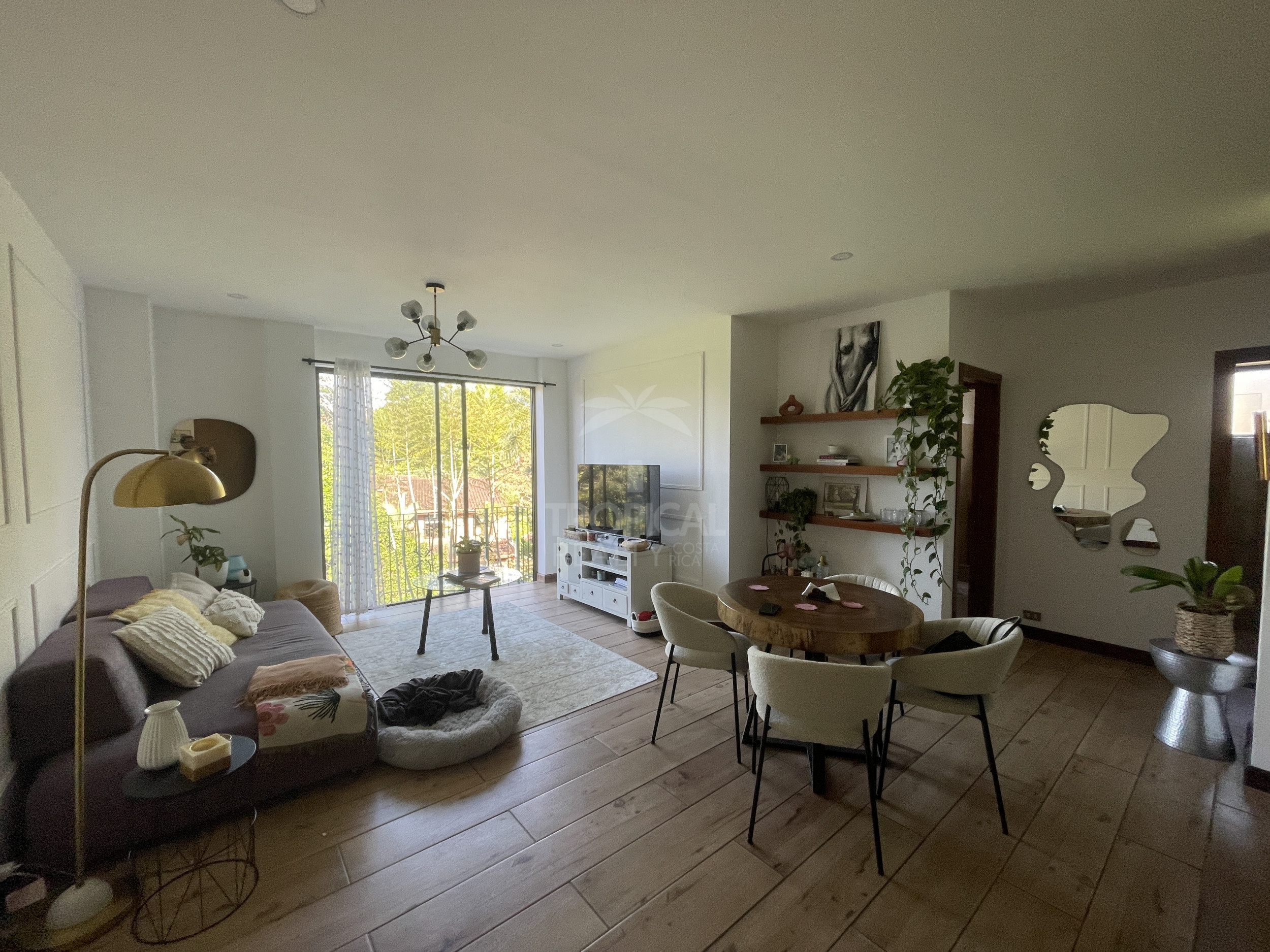
Modern Apartment for Rent in San Rafael de Escazú – $1,350
- Pool
- Views
- Gated / security
- 24 Hour Security
- Dogs Park
Talk to us about where to live
The right answer depends on how you will actually live in the home. You can browse Guanacaste, Escazú, Santa Ana and San José, or tell us what you are looking for and we will help you compare.
Climate, cost and healthcare comparisons are general and drawn from commonly published information; they vary by town and change over time. Check current conditions, rents and costs for the places you shortlist. This is general information, not financial, legal or tax advice.