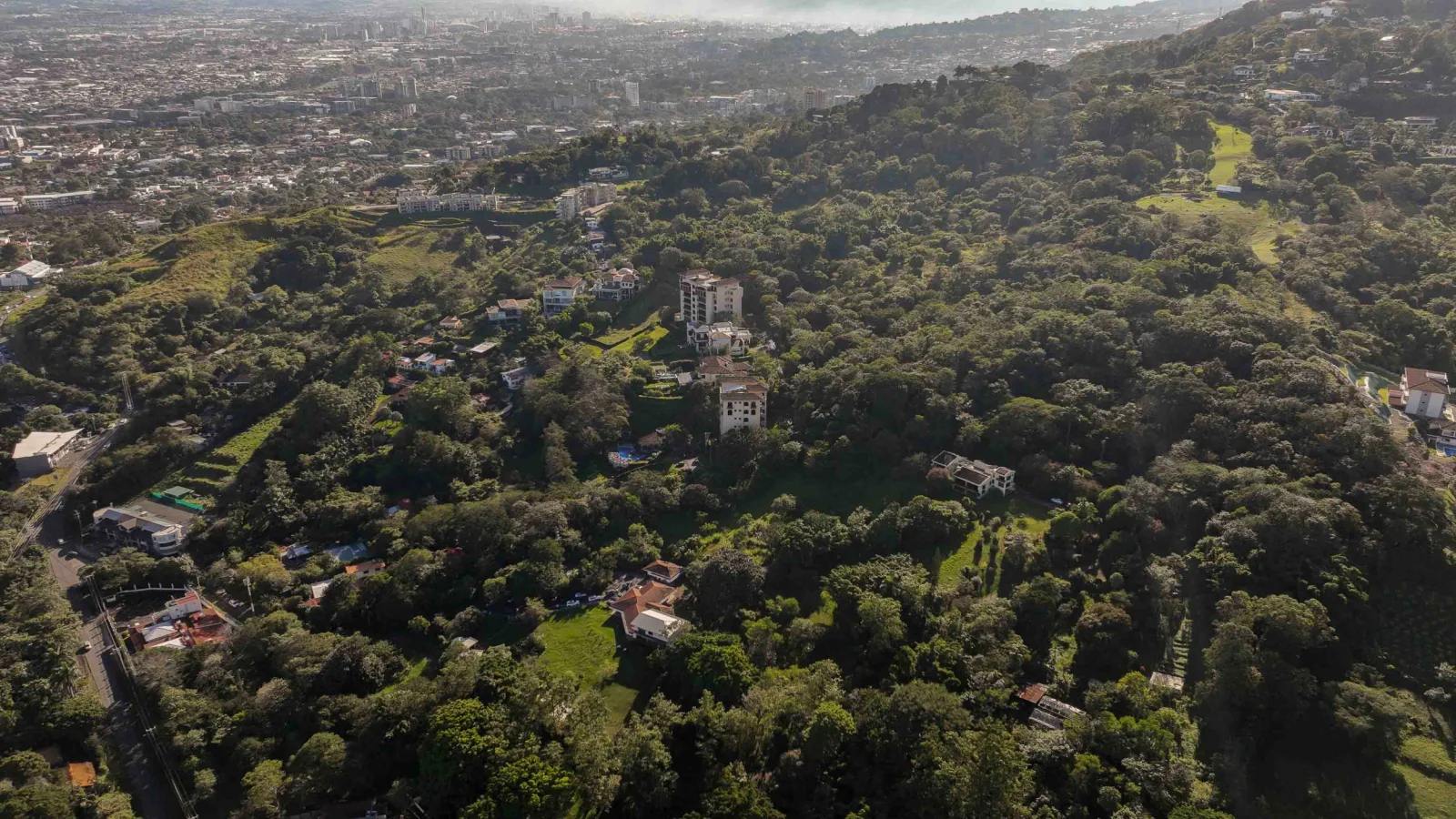
Where Costa Rica's international schools are, the main types, what they cost and what to check, plus choosing a home around the school.
For families moving to Costa Rica, schooling is often the deciding factor in where to live. The country has a good number of private and international schools, most of them in the Central Valley around San José, with a smaller choice on the Pacific coast, and the right one depends on your child’s age, language, the curriculum you want and how close it is to home.
This guide explains how the options differ, what they cost, and what to ask. Schools, fees and accreditations change every year, and the sources we found were mostly school and consultant material, so treat everything here as a starting point and confirm it directly with each school.
The short answer. Most international schools are in the western Central Valley (Escazú, Santa Ana and Alajuela), and they offer US-, British- or IB-style programmes taught mainly in English. Annual tuition ranges widely, from roughly $8,000–$10,000 at the lower end to $17,000–$20,000 for the top-priced schools, with extra one-off and annual charges on top. On the coast the choice is smaller and closer to the beach towns, so pick the school first if it is a priority.
The kinds of school
| Type | What it offers | Good to know |
|---|---|---|
| American-curriculum international schools | English-language instruction from early years to grade 12, US-style diploma, often with college-prep courses. | The most common type among expat families; several offer the IB or AP options. |
| British-curriculum schools | UK-style year groups, with Cambridge or similar exams. | Fees and the school year follow the British system in part. |
| Bilingual private schools | Spanish and English, following the Costa Rican curriculum alongside international content. | Often more affordable; stronger Spanish. |
| Public schools | Free, taught in Spanish. | Quality varies by area; a route to full immersion for children who will stay long term. |
Where the main schools are
- Escazú, Santa Ana and the western Central Valley. This is where most expat families settle and where most international schools are concentrated, so it gives the widest choice. Our guide to beach versus city living compares the two settings.
- Alajuela and Heredia. Several large schools, including Country Day School, are on this side of the valley.
- The Pacific coast. Fewer options. Around Tamarindo and Guanacaste, bilingual and international schools such as Costa Rica International Academy (CRIA) and La Paz Community School serve the beach communities. See our guides to Tamarindo and Guanacaste.
Examples named in published sources include Country Day School, Blue Valley School, Lincoln School, Marian Baker School, the British School of Costa Rica, Lighthouse International School and Pan-American School. This is not a ranking or a recommendation, and the list is not complete.
What it costs
Published figures vary a lot and are estimates, so ask each school for its current fee schedule:
- Annual tuition. Roughly $8,000 to $11,000 a year at some schools, rising to about $17,000 to $20,000 at the most expensive ones, depending on the grade. Early years are usually cheaper than the upper grades.
- One-off and extra charges. Many schools charge an admission or enrolment fee, deposits, uniforms, transport, exams and activities on top of tuition. Some quote fees in dollars and others in colones, plus VAT on certain items.
- Several children. A family with two children in international school can add several thousand dollars a month to its budget. Ask about sibling discounts.
Budget for schooling alongside your housing costs; our guide to the costs of owning a property covers the house side.
What to check before you choose
- Accreditation. Ask which bodies accredit the school, and confirm it is recognised by the Costa Rican Ministry of Education (MEP) as well as by any international body it names. Check this directly.
- Curriculum and exams. US diploma, IB, Cambridge, or the Costa Rican bachillerato: pick what fits your child’s plans for university.
- Language support. How much Spanish is taught, and what help exists for children who do not speak English or Spanish yet.
- Admissions. Application windows, entry assessments and waiting lists. Popular schools can fill some grades, so start early.
- Location and commute. Traffic in the Central Valley can add a lot to the school run. Living close to the school can matter more than the house.
- Visit and ask. Tour the school, meet teachers and speak to current parents.
Choosing a home around the school
Many families choose the school first and then the neighbourhood. Escazú and Santa Ana have the widest choice of schools within a short drive and a large expat community; Alajuela and the Hacienda Los Reyes area suit families who want more space. We can show you homes in each: browse Escazú, Santa Ana and Guanacaste. If you are moving with a family, our guides to healthcare for expatriates and residency for property owners will also help.
Frequently asked questions
Where are most international schools in Costa Rica?
How much does an international school cost?
Do children need to speak Spanish?
Is there a waiting list?
Can I choose a home near a school?
Talk to us about relocating with a family
We can help you compare areas by school, commute and cost. Tell us about your family and what you are looking for.
School names are given as examples from published sources and are not endorsements or a complete list. Fees, accreditation, curricula and admission rules change each year and differ by school; confirm them directly with each school and with the Costa Rican Ministry of Education. This is general information, not educational, legal or financial advice.